
You Know Larry?
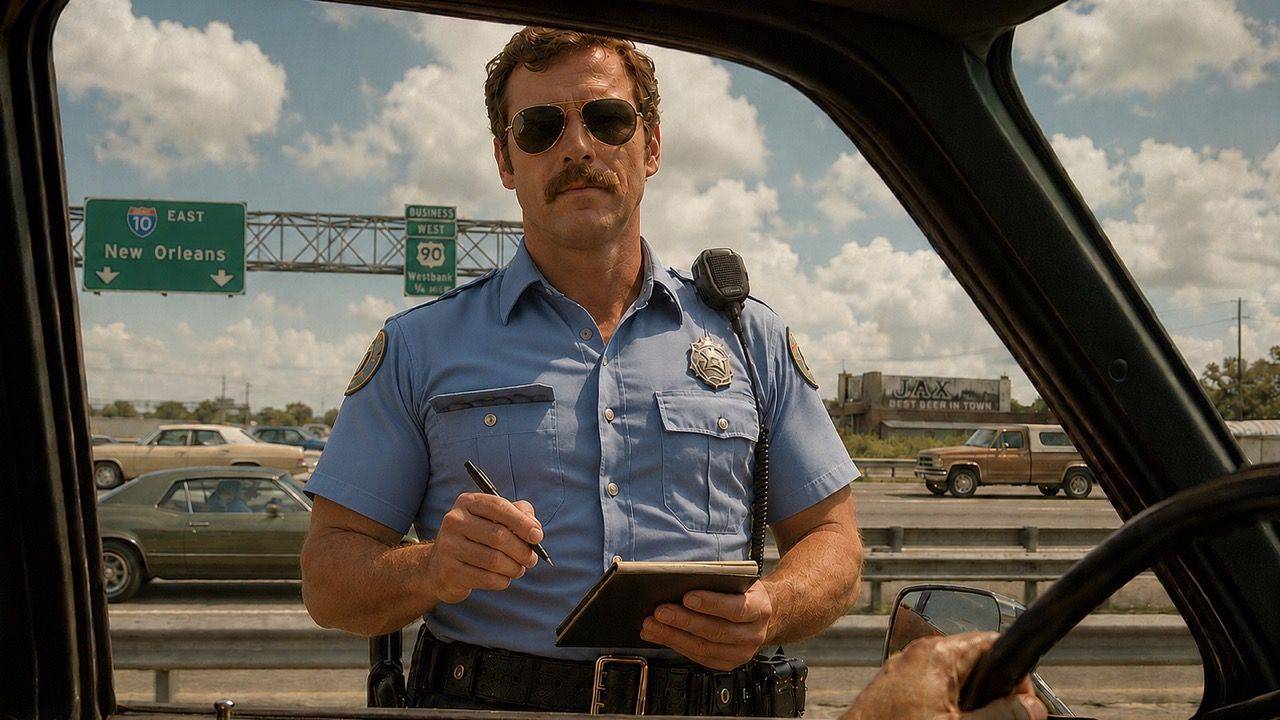
In the early 1970s, I was an assistant manager at Brennan’s Restaurant in New Orleans.
And Brennan’s was not just a busy restaurant. It was a world-famous restaurant—particularly known for breakfast.
On an average day, we might serve 1,100 or 1,200 people for breakfast and lunch, and another 600 at dinner.
During Mardi Gras, the French Quarter was even more chaotic.
The streets were crowded. People were celebrating. People were drinking. And some people had apparently decided that good judgment was something they would pick up again after Ash Wednesday.
So, during Mardi Gras, Brennan’s hired two off-duty New Orleans police officers to watch the front door.
Over time, I got to know them pretty well. We would feed them, visit with them and give them a little break from the activity outside.
One of those officers was a motorcycle policeman named Larry Pridgen.
At the end of one Mardi Gras season, Larry handed me his New Orleans Police Department business card. He said, “Fred, ke...
However You Say It, Thank You Means Everything
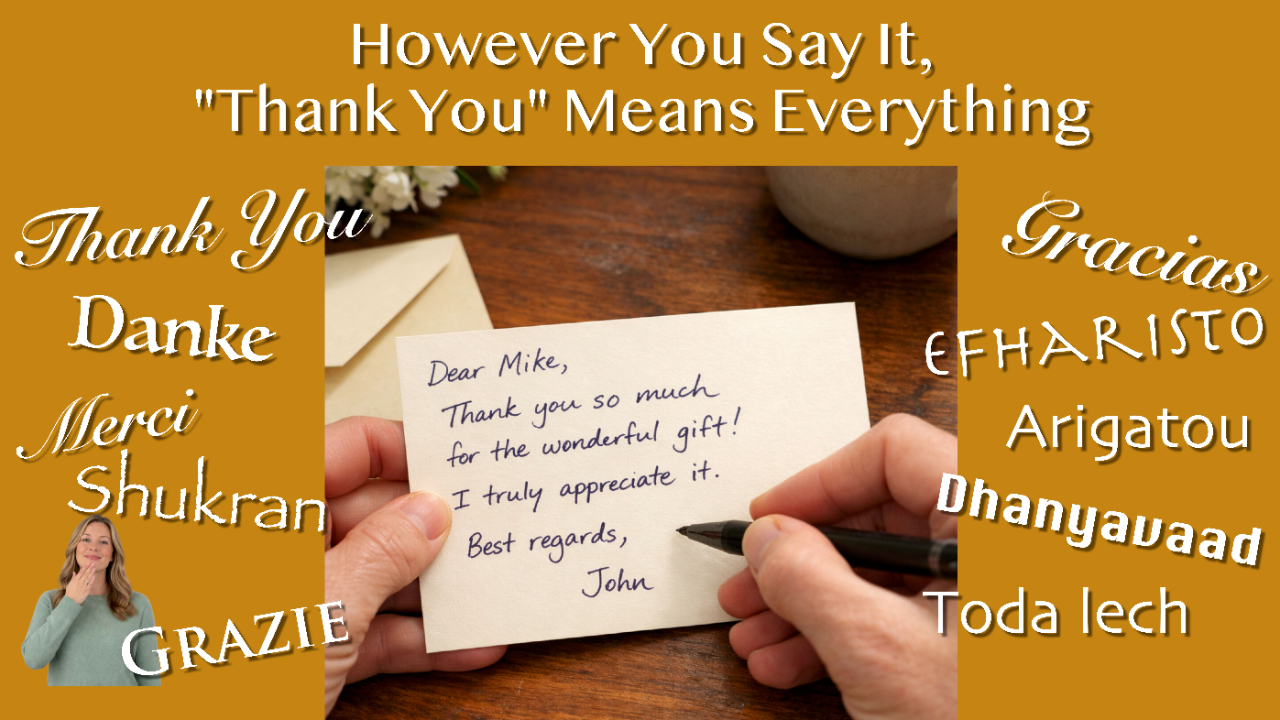
“Thank you.”
“Merci.”
“Grazie.”
“Danke.”
“Shukran.”
Different words. Different cultures. Same meaning.
Across every language, “thank you” carries something universal—gratitude, appreciation, and, perhaps most importantly, acknowledgement. It’s a simple expression, but it does something powerful: it lets another person know, “I see what you did, and it mattered.”
Which is why its absence stands out so much.
Lately, I’ve noticed a growing pattern—not just socially, but professionally as well. Gifts are given, gestures are made, invitations are extended… and nothing comes back. No note. No text. No email. Not even a quick mention the next time you speak.
And while it may seem like a small thing, it’s not. Because this isn’t really about the words “thank you.” It’s about what those words represent.
When someone takes the time to send a graduation gift, celebrate a wedding, acknowledge a birthday, or host you for dinner, there’s intention behind it. There’s thought. There’s effort. And wh...
